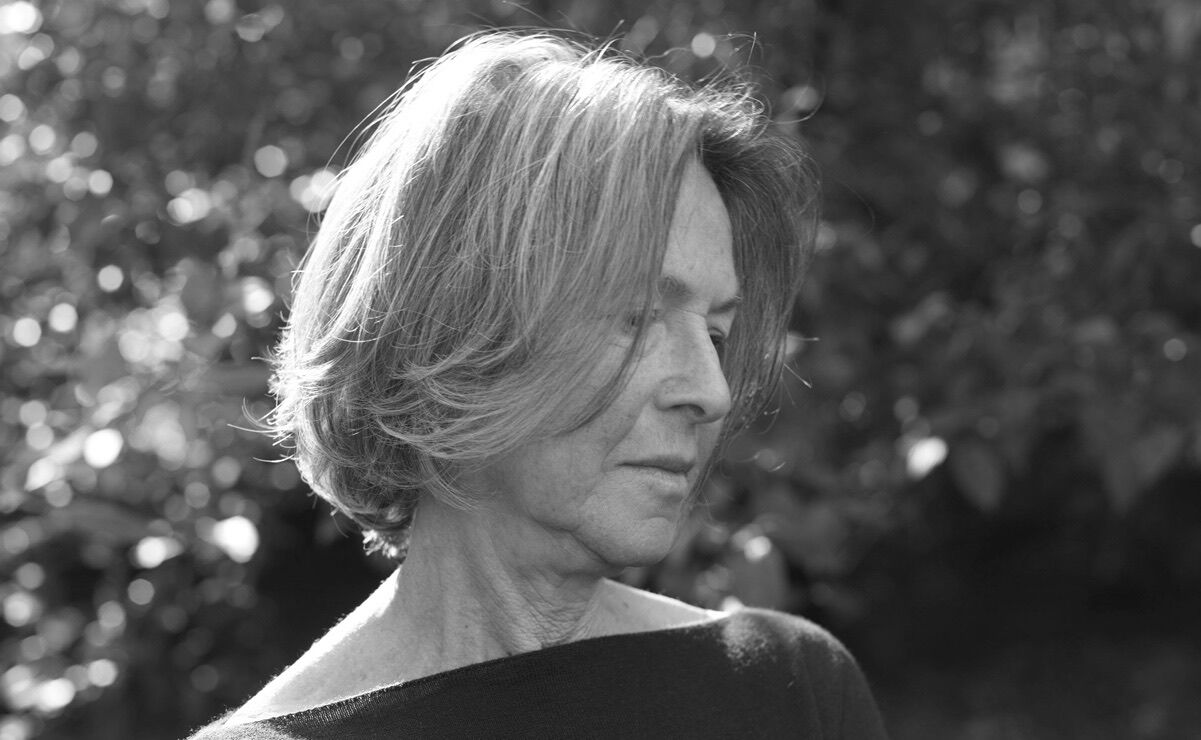
«No todos los seres vivos necesitan la luz en la misma proporción. Algunos fabricamos nuestra propia luz»
Louise Glück
The edge
Time and again, time and again I tie
My heart to that headboard
While my quilted cries
Harden against his hand. He’s bored-
I see it. Don’t I lick his bribes, set his bouquets
In water? Over Mother’s lace I watch him drive into the gored
Roasts, deal slivers in his mercy… I can feel his thights
Against me for the children’s sakes. Reward?
Mornings, crippled with this house,
I see him toast his toast and test
His coffee, hedgingly. The waste’s my breakfast.
El límite
Una y otra vez, una y otra vez, ato
mi corazón a la cabecera de la cama
mientras mis acolchonados lamentos
se endurecen contra su mano. Está aburrido,
me doy cuenta. ¿Acaso no me trago sus engaños,
no pongo sus flores en agua? Lo miro cortar los trozos de carne
sobre el encaje de mamá,
distribuir magras porciones piadosamente… Puedo sentir sus muslos
contra mí por amor a los niños.
¿La recompensa? Por las mañanas, destrozada
por esta casa, lo miro tostar su pan
y probar su café, evadiéndose.
Las sobras son mi desayuno.
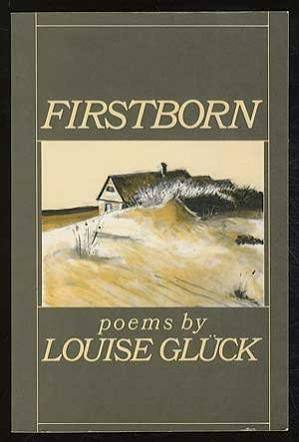
De: Firstborn (New American Library, 1968)
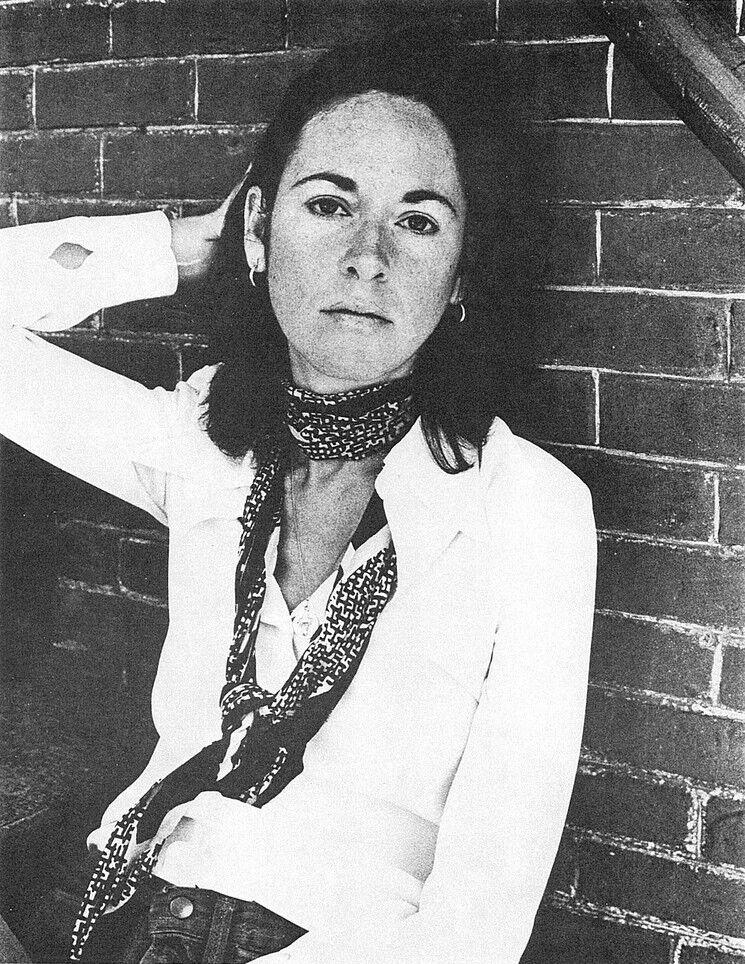
Lover of Flowers
In our family, everyone loves flowers.
That’s why the graves are so odd:
no flowers, just padlocks of grass,
and in the center, plaques of granite,
the inscriptions terse, the shallow letters
sometimes filling with dirt.
To clean them out, you use your handkerchief.
With my sister, it’s different,
it’s an obsession. Weekends, she sits on my mother’s porch,
reading catalogues. Every autumn, she plants bulbs by the brick stoop;
every spring, waits for flowers.
No one discusses cost. It’s understood
my mother pays; after all,
it’s her garden, every flower
planted for my father. They both see
the house as his true grave.
Not everything thrives on Long Island.
Sometimes the summer gets too hot;
sometimes a heavy rain beats down the flowers.
That’s how the poppies died, after one day,
because they’re very fragile.
My mother’s tense, upset about my sister:
now she’ll never know how beautiful they were,
pure pink, with no dark spots. That means
she’s going to feel deprived again.
But for my sister, that’s the condition of love.
She was my father’s daughter:
the face of love, to her,
is the face turning away.
Amante de las flores
En nuestra familia, todos aman las flores.
Por eso las tumbas nos parecen tan extrañas:
sin flores, sólo herméticas fincas de hierba
con placas de granito en el centro:
las inscripciones suaves, la leve hondura de las letras
llena de mugre algunas veces…
Para limpiarlas, hay que usar el pañuelo.
Pero en mi hermana, la cosa es distinta:
una obsesión. Los domingos se sienta en el porche de mi madre
a leer catálogos. Cada otoño, siembra bulbos junto a los escalones de ladrillo.
Cada primavera, espera las flores.
Nadie discute por los gastos. Se sobreentiende
que es mi madre quien paga; después de todo,
es su jardín y cada flor
es para mi padre. Ambas ven
la casa como su auténtica tumba.
No todo prospera en Long Island.
El verano es, a veces, muy caluroso,
y a veces, un aguacero echa por tierra las flores.
Así murieron las amapolas, en un día tan sólo,
eran tan frágiles…
De Ararat, (1992)
The wild iris
At the end of my suffering
there was a door.
Hear me out: that which you call death
I remember.
Overhead, noises, branches of the pine shifting.
Then nothing. The weak sun
flickered over the dry surface.
It is terrible to survive
as consciousness
buried in the dark earth.
Then it was over: that which you fear, being
a soul and unable
to speak, ending abruptly, the stiff earth
bending a little. And what I took to be
birds darting in low shrubs.
You who do not remember
passage from the other world
I tell you I could speak again: whatever
returns from oblivion returns
to find a voice:
from the center of my life came
a great fountain, deep blue
shadows on azure sea water
El iris salvaje
Al final del sufrimiento
me esperaba una puerta.
Escúchame bien: lo que llamas muerte
lo recuerdo.
Allá arriba, ruidos, ramas de un pino vacilante.
Y luego nada. El débil sol
temblando sobre la seca superficie.
Terrible sobrevivir
como conciencia,
sepultada en tierra oscura.
Luego todo se acaba: aquello que temías,
ser un alma y no poder hablar,
termina abruptamente. La tierra rígida
se inclina un poco, y lo que tomé por aves
se hunde como flechas en bajos arbustos.
Tú que no recuerdas
el paso de otro mundo, te digo
podría volver a hablar: lo que vuelve
del olvido vuelve
para encontrar una voz:
del centro de mi vida brotó
un fresco manantial, sombras azules
y profundas en celeste aguamarina.
De: The Wild Iris(1993). Premio Pulitzer

The Wish
Remember that time you made the wish?
I make a lot of wishes.
The time I lied to you
about the butterfly. I always wondered
what you wished for.
What do you think I wished for?
I don’t know. That I’d come back,
that we’d somehow be together in the end.
I wished for what I always wish for.
I wished for another poem.
El deseo
¿Te acuerdas de cuando pediste un deseo?
Yo pido muchos deseos.
Cuando te mentí.
Sobre lo de la mariposa. Siempre me pregunté
qué pediste.
¿Qué crees que pedí yo?
No sé. Que volvería,
que al final de alguna manera estaríamos juntos.
Pedí lo que siempre pido.
Pedí otro poema.
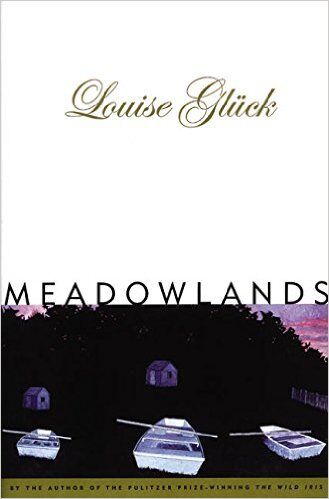
De: Meadowlands (Ecco Press, 1997)
Penelope’s Stubbornness
A bird comes to the window. It’s a mistake
to think of them
as birds, they are so often
messengers. That is why, once they
plummet to the sill, they sit
so perfectly still, to mock
patience, lifting their heads to sing
poor lady, poor lady, their three-note
warning, later flying
like a dark cloud from the sill to the olive grove.
But who would send such a weightless being
to judge my life? My thoughts are deep
and my memory long; why would I envy such freedom
when I have humanity? Those
with the smallest hearts have
the greatest freedom.
La terquedad de Penélope
Un pájaro llega a la ventana. Es un error
considerarlos solamente
pájaros, muy a menudo son
mensajeros. Por eso, una vez
se precipitan sobre el alfeizar, se quedan
perfectamente quietos, para burlarse
de la paciencia, alzando la cabeza para cantar
pobrecita, pobrecita, un aviso
de cuatro notas, para volar luego
del alfeizar al olivar como una nube oscura.
¿Pero quién enviaría a una criatura tan liviana
a juzgar mi vida? Tengo ideas profundas
y mi memoria es larga; ¿por qué iba a envidiar esa libertad
cuando tengo humanidad? Aquellos
que tienen el corazón más diminuto son dueños
de la mayor libertad.
Como un hombre y una mujer construyen
un jardín entre los dos como
un lecho de estrellas, ellos
se demoran en la tarde estival
y su terror enfría
la noche: todo
podría terminar, la devastación
es posible. Todo, todo
puede perderse, por el aire perfumado
las columnas angostas
ascienden en vano, y más allá,
un mar revuelto de amapolas
Silencio, amado. No me importa
cuántos veranos tenga que vivir para volver:
en éste hemos entrado a la eternidad.
Sentí cómo tus manos
me enterraban para soltar el fulgor.
De: Meadowlands (Ecco Press, 1997). Traducción: Andrés Catalán
Telemachus Dilemma
I can never decide
what to write on
my parents’ tomb. I know
what he wants: he wants
beloved, which is
certainly to the point, particularly
if we count all
the women. But
that leaves my mother
out in the cold. She tells me
this doesn’t matter to her
in the least: she prefers
to be represented by
her own achievement. It seems
tactless to remind them
that one does not
honor the dead by perpetuating
their vanities, their
projections of themselves.
My own taste dictates
accuracy without
garrulousness: they are
my parents, consequently
I see them together,
sometimes inclining to
husband and wife, other times
to opposing forces.
El dilema de Telémaco
Nunca me decido
sobre qué poner
en la tumba de mis padres. Sé
lo que él quiere: él quiere
‘amado’, lo que ciertamente resulta
muy exacto, sobre todo
si contamos a todas esas
mujeres. Pero
eso dejaría a mi madre
en la intemperie. Ella me dice
que en realidad no le importa
lo más mínimo; ella prefiere
ser descrita
por sus logros. No tendría yo mucho
tacto si les recordara
que uno
no honra a sus muertos
perpetuando sus vanidades, sus
auto-proyecciones.
Mi propio criterio me recomienda
exactitud sin
palabrería; son
mis padres y, en consecuencia,
los visualizo juntos,
a veces me inclino por
‘marido y mujer, a veces por
fuerzas contrarias’.
De: Meadowlands (Ecco Press, 1997).
The Garment
My soul dried up.
Like a soul cast into a fire, but not completely,
not to annihilation. Parched,
it continued. Brittle,
not from solitude but from mistrust,
the aftermath of violence.
Spirit, invited to leave the body,
to stand exposed a moment, —
trembling, as before
your presentation to the divine–
spirit lured out of solitude
by the promise of grace,
how will you ever again believe
the love of another being?
My soul withered and shrank.
The body became for it too large a garment.
And when hope was returned to me
it was another hope entirely.
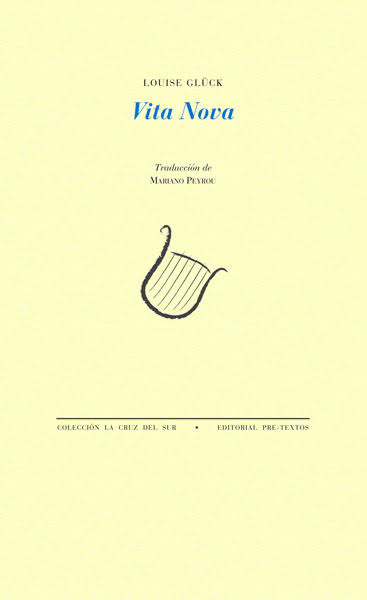
El Vestido
Se me secó el alma.
Como un alma arrojada al fuego,
pero no del todo,
no hasta la aniquilación. Sedienta,
siguió adelante. Crispada,
no por la soledad sino por la desconfianza,
el resultado de la violencia.
El espíritu, invitado a abandonar el cuerpo,
a quedar expuesto un momento,
temblando, como antes
de tu entrega a lo divino;
el espíritu fue seducido, debido a su soledad,
por la promesa de la gracia.
¿Cómo vas a volver a confiar
en el amor de otro ser?
Mi alma se marchitó y se encogió.
El cuerpo se convirtió en un vestido demasiado
grande
para ella.
Y cuando recuperé la esperanza,
era una esperanza completamente distinta.
De Vita Nova, Ed. Pre-Textos(1999)
The Seven Ages
In my first dream the world appeared
the salt, the bitter, the forbidden, the sweet
In my second I descended
I was human, I couldn’t just see a thing
beast that I am
I had to touch it, to contain it
I hid in the groves,
I worked in the fields until the fields were bare—
time
that will never come again—
the dry wheat bound, caskets
of figs and olives
I even loved a few times in my disgusting human way
and like everyone I called that accomplishment
erotic freedom,
absurd as it seems
The wheat gathered and stored, the last
fruit dried: time
that is hoarded, that is never used
does it also end?
In my first dream the world appeared
the sweet, the forbidden
but there was no garden, only
raw elements
I was human:
I had to beg to descend
the salt, the bitter, the demanding, the preemptive
And like everyone, I took, I was taken
I dreamed
I was betrayed:
Earth was given to me in a dream
In a dream I possessed it
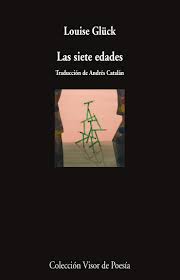
Las siete edades
En mi primer sueño el mundo parecía
lo salado, lo amargo, lo prohibido, lo dulce
en mi segundo sueño descendía,
era humana, no veía nada de nada
bestia como soy
debía tocarlo, contenerlo
me escondí en la arboleda,
trabajé en los campos hasta que quedaron yermos
un tiempo
que nunca volverá-
el trigo seco en gravillas, cajones
de higos y aceitunas
Hasta amé alguna vez, a mi manera
repugnante, humana
y como todo el mundo llamé a ese logro
libertad erótica,
por absurdo que parezca
El trigo cosechado, almacenado; seca
la última fruta: el tiempo
que se acumula, sin usar,
¿también termina?
En mi primer sueño el mundo parecía
lo dulce, lo prohibido
pero no había ningún jardín, sólo
la materia prima
Era humana:
había rogado descender
la sal, lo amargo, lo difícil, lo preventivo
Y como todos tomé, fui tomada
soñé
fui traicionada:
la tierra me fue dada en un sueño
En un sueño la poseí.
De: The Seven Ages. (Las siete edades)(2001)
Mother and Child
We’re all dreamers; we don’t know who we are.
Some machine made us; machine of the world, the constricting family.
Then back to the world, polished by soft whips.
We dream; we don’t remember.
Machine of the family: dark fur, forests of the mother’s body.
Machine of the mother: white city inside her.
And before that: earth and water.
Moss between rocks, pieces of leaves and grass.
And before, cells in a great darkness.
And before that, the veiled world.
This is why you were born: to silence me.
Cells of my mother and father, it is your turn
to be pivotal, to be the masterpiece.
I improvised; I never remembered.
Now it’s your turn to be driven;
you’re the one who demands to know:
Why do I suffer? Why am I ignorant?
Cells in a great darkness. Some machine made us;
it is your turn to address it, to go back asking
what am I for? What am I for?
Madre e hijo
Todos somos soñadores; ninguno sabe quién es.
Alguna máquina nos hizo; la máquina del mundo,
la familia que restringe.
Después, de vuelta al mundo, pulidos por suaves látigos.
Soñamos; no recordamos.
La máquina de la familia: pelaje oscuro,
selvas del cuerpo de la madre.
La máquina de la madre: blanca ciudad dentro de ella.
Y antes de eso: tierra y aire.
Musgo entre las piedras, briznas de hojas y de hierba.
Y antes, células en una gran oscuridad.
Y antes de eso, el mundo tras un velo.
Para esto naciste: para silenciarme.
Células de mi madre y de mi padre, llegó el momento
de ser fundamentales, de ser la obra maestra.
Yo improvisé, nunca recordé.
Ahora es tu turno de entrar en acción;
tú eres el que pide saber:
¿Por qué sufro? ¿Por qué soy ignorante?
Células en una gran oscuridad.
Alguna máquina nos hizo;
es tu turno ahora de exigirle, de volver a preguntarle:
¿para qué existo? ¿Para qué existo?
De: The Seven Ages. (Las siete edades)(2001)

Crater Lake
There was a war between good and evil.
We decided to call the body good.
That made death evil.
It turned the soul
against death completely.
Like a foot soldier wanting
to serve a great warrior, the soul
wanted to side with the body.
It turned against the dark,
against the forms of death
it recognized.
Where does the voice come from
that says suppose the war
is evil, that says
suppose the body did this to us,
made us afraid of love—
Lago en el cráter
Entre el bien y el mal hubo una guerra.
Decidimos que el cuerpo fuese el bien.
Eso hizo que el mal fuese la muerte,
que el alma se volviera
completamente en contra de la muerte.
Como un soldado que desea
servir a un gran señor, el alma
desea cerrar filas con el cuerpo.
Se puso en contra de la oscuridad,
en contra de las formas de la muerte
que reconocía.
De dónde viene la voz
que dice: y si la guerra
fuese el mal, que dice
y si fue el cuerpo el que nos hizo esto,
nos hizo tener miedo del amor.
De Averno,(2006)
The Sword in the Stone
My analyst looked up briefly.
Naturally I couldn’t see him
but I had learned, in our years together,
to intuit these movements. As usual,
he refused to acknowledge
whether or not I was right. My ingenuity versus
his evasiveness: our little game.
At such moments, I felt the analysis
was flourishing: it seemed to bring out in me
a sly vivaciousness I was
inclined to repress. My analyst’s
indifference to my performances
was now immensely soothing. An intimacy
had grown between us
like a forest around a castle.
The blinds were closed. Vacillating
bars of light advanced across the carpeting.
Through a small strip above the window sill,
I saw the outside world.
All this time I had the giddy sensation
of floating above my life. Far away
that life occurred. But was it
still occurring: that was the question.
Late summer: the light was fading.
Escaped shreds flickered over the potted plants.
The analysis was in its seventh year.
I had begun to draw again—
modest little sketches, occasional
three-dimensional constructs
modeled on functional objects—
And yet, the analysis required
much of my time. From what
was this time deducted: that
was also the question.
I lay, watching the window,
long intervals of silence alternating
with somewhat listless ruminations
and rhetorical questions—
My analyst, I felt, was watching me.
So, in my imagination, a mother stares at her sleeping child,
forgiveness preceding understanding.
Or, more likely, so my brother must have gazed at me—
perhaps the silence between us prefigured
this silence, in which everything that remained unspoken
was somehow shared. It seemed a mystery.
Then the hour was over.
I descended as I had ascended;
the doorman opened the door.
The mild weather of the day had held.
Above the shops, striped awnings had unfurled
protecting the fruit.
Restaurants, shops, kiosks
with late newspapers and cigarettes.
The insides grew brighter
as the outside grew darker.
Perhaps the drugs were working?
At some point, the streetlights came on.
I felt, suddenly, a sense of cameras beginning to turn;
I was aware of movement around me, my fellow humans
driven by a mindless fetish for action—
How deeply I resisted this!
It seemed to me shallow and false, or perhaps
partial and false—
Whereas truth—well, truth as I saw it
was expressed as stillness.
I walked awhile, staring into the windows of the galleries—
my friends had become famous.
I could hear the river in the background,
from which came the smell of oblivion
interlaced with potted herbs from the restaurants—
I had arranged to join an old acquaintance for dinner.
There he was at our accustomed table;
the wine was poured; he was engaged with the waiter,
discussing the lamb.
As usual, a small argument erupted over dinner, ostensibly
concerning aesthetics. It was allowed to pass.
Outside, the bridge glittered.
Cars rushed back and forth, the river
glittered back, imitating the bridge. Nature
reflecting art: something to that effect.
My friend found the image potent.
He was a writer. His many novels, at the time,
were much praised. One was much like another.
And yet his complacency disguised suffering
as perhaps my suffering disguised complacency.
We had known each other many years.
Once again, I had accused him of laziness.
Once again, he flung the word back—
He raised his glass and turned it upside-down.
This is your purity, he said,
this is your perfectionism—
The glass was empty; it left no mark on the tablecloth.
The wine had gone to my head.
I walked home slowly, brooding, a little drunk.
The wine had gone to my head, or was it
the night itself, the sweetness at the end of summer?
It is the critics, he said,
the critics have the ideas. We artists
(he included me)—we artists
are just children at our games.
La espada en la piedra
Mi psicólogo levantó un momento la vista.
Como es lógico yo no alcanzaba a verlo
pero había aprendido, a lo largo de los años,
a intuir estos movimientos. Como de costumbre,
se negó a reconocer
si yo tenía o no razón. Mi ingenuidad contra
sus evasivas: nuestro jueguecito.
En tales momentos, sentía que el psicoanálisis
surtía efecto: parecía sacar de mí
una traviesa vivacidad que tendía
a reprimir. La indiferencia
de mi psicólogo ante mis actuaciones
resultaba entonces sumamente relajante. Entre nosotros
había crecido una intimidad
parecida a un bosque alrededor de un castillo.
Las persianas estaban bajadas. Rayas
vacilantes de luz avanzaban por la moqueta.
A través de una pequeña franja sobre el alféizar,
veía el mundo exterior.
Todo este tiempo había tenido la vertiginosa sensación
de estar flotando sobre mi propia vida. Muy lejos
esa vida había sucedido. ¿Pero seguía
sucediendo? Esa era la cuestión.
Finales de verano: la luz era cada vez más débil.
Jirones desprendidos bailaban sobre las macetas.
Era el séptimo año de psicoanálisis.
Había empezado a retomar el dibujo…
pequeños bocetos modestos, esporádicas
creaciones en tres dimensiones
inspiradas en objetos funcionales…
Y sin embargo, el psicoanálisis exigía
gran parte de mi tiempo. A qué
le robaba este tiempo: esa
también era la cuestión.
Me quedaba tumbado, mirando la ventana,
durante largos intervalos de silencio que se alternaban
con reflexiones un tanto apáticas
y preguntas retóricas…
Mi psicoanalista, me pareció, me observaba.
Así, me imagino, mira una madre a su hijo dormido,
con un perdón que precede a la comprensión.
O, más probablemente, así debió de mirarme mi hermano…
quizás el silencio entre nosotros prefiguraba
este silencio, en el que todo lo que se queda sin decir
se comparte de algún modo. Parecía un misterio.
Luego la hora de la sesión terminó.
Descendí igual que había ascendido;
el portero abrió la puerta.
El día seguía siendo un día agradable.
Sobre las tiendas habían desplegado toldos de rayas
para proteger la fruta.
Restaurantes, tiendas, quioscos
con los últimos periódicos y cigarrillos.
Los interiores brillaban cada vez más
a medida que el exterior se oscurecía.
¿Quizás los fármacos habían hecho efecto?
En algún momento las farolas se encendieron.
Tuve, de repente, una sensación de cámaras que giraban;
era consciente de los movimientos a mi alrededor, mis prójimos
impulsados por una obsesión irracional por la acción…
Hasta qué punto me resistía a esto!
Me parecía superficial y falso, o quizás
parcial y falso…
Mientras que la verdad… Bueno, la verdad como yo la veía
se expresaba en la quietud.
Caminé un rato, parándome a contemplar los escaparates de las galerías:
mis amigos se habían hecho famosos.
Distinguía el ruido del río a lo lejos,
del que procedía el olor del olvido mezclado
con las macetas de plantas aromáticas de los restaurantes…
Había quedado para cenar con un viejo conocido.
Allí estaba en nuestra mesa de siempre;
el vino estaba servido; enzarzado con el camarero,
comentaba el cordero.
Como de costumbre, se desató una pequeña discusión en la cena, supuestamente
en relación con la estética. Lo dejamos pasar.
Fuera, el puente brillaba.
Los coches corrían de un lado a otro, el río
brillaba a su vez, imitando al puente. La naturaleza
reflejaba el arte: algo en este sentido.
Mi amigo juzgó que la imagen era potente.
Era escritor. Sus muchas novelas, por aquel entonces,
recibían muchos elogios. Eran muy parecidas entre sí.
Y sin embargo su autocomplacencia escondía sufrimiento
como quizás mi sufrimiento escondía autocomplacencia.
Nos conocíamos desde hacía varios años.
Una vez más, lo había acusado de pereza.
Una vez más, me atacó con la misma palabra…
Alzó su vaso y lo puso del revés.
Esta es tu pureza, dijo,
este es tu perfeccionismo…
El vaso estaba vacío; no dejó ninguna marca en el mantel.
El vino se me había subido a la cabeza.
Caminé despacio de vuelta a casa, pensativo, algo borracho.
¿El vino se me había subido a la cabeza, o se trataba
de la noche misma, la dulzura del final del verano?
Son los críticos, dijo,
los críticos los que tienen ideas. Nosotros los artistas
(me incluía)… nosotros los artistas
somos solo niños que juegan con sus cosas.
De: Faithful and Virtuous Night. (Noche fiel y virtuosa) (2014)

The Garden
I couldn’t do it again,
I can hardly bear to look at it—
in the garden, in light rain
the young couple planting
a row of peas, as though
no one has ever done this before,
the great difficulties have never as yet
been faced and solved—
They cannot see themselves,
in fresh dirt, starting up
without perspective,
the hills behind them pale green,
clouded with flowers—
She wants to stop;
he wants to get to the end,
to stay with the thing—
Look at her, touching his cheek
to make a truce, her fingers
cool with spring rain;
in thin grass, bursts of purple crocus—
even here, even at the beginning of love,
her hand leaving his face makes
an image of departure
and they think
they are free to overlook
this sadness.
El jardín
No puedo hacerlo nuevamente,
dificilmente suportaria verlo.
.
Bajo la tenue lluvia del jardín
la joven pareja siembra
un surco de guisantes, como si
nadie lo hubiese hecho nunca;
los grandes problemas
todavía no han sido enfrentados ni resueltos.
.
Ellos no pueden verse
en el polvo fresco, aun
empezar sin ninguna perspectiva
con las colinas al fondo, verdes y pálidas
nubladas de flores.
.
Ella desea detenerse
él llegar hasta el fin
permanecer en las cosas.
.
Mírala a ella tocar su mejilla
pedirle una tregua, los dedos
adheridos por la lluvia primaveral;
en el pasto tierno estallan rojos azafranes
.
aún aquí, aún en los comienzos del amor
su mano al abandonar la cara
da una impresión de despedida
.
y ellos se creen capaces
de ignorar esta
tristeza.
De : El Iris salvaje

(Otra versión del poema el jardín)
Winter Recipes from the Collective
I
Each year when winter came, the old men enteredthe
woods to gather the moss that grew
on the north side of certain junipers.
It was slow work, taking many days, though thesewere
short days because the light was waning,
and when their packs were full, painfully
they made their way home, moss being heavy to carry.
The wives fermented these mosses, a time-consuming project
especially for people so old
they had been born in another century.
But they had patience, these elderly men and women,
such as you and I can hardly imagine,
and when the moss was cured, it was with wild mustards and sturdy herbs
packed between the halves of ciabattine, and weighted like pan bagnat,
after which the thing was done: an “invigorating winter sandwich”
it was called, but no one saidit
was good to eat; it was what you ate
when there was nothing else, like matzoh in the desert, which
our parents called the bread of affliction— Some years
an old man would not return from the woods, and then his wife would need
a new life, as a nurse’s helper, or to supervise
the young people who did the heavy work, or to sell
the sandwiches in the open market as the snow fell, wrapped
in wax paper— The book contains
only recipes for winter, when life is hard. In spring,
anyone can make a fine meal.
Fragmento de Winter Recipes from the Collective del libro del mismo título (2021)(Ultimo libro de la autora).
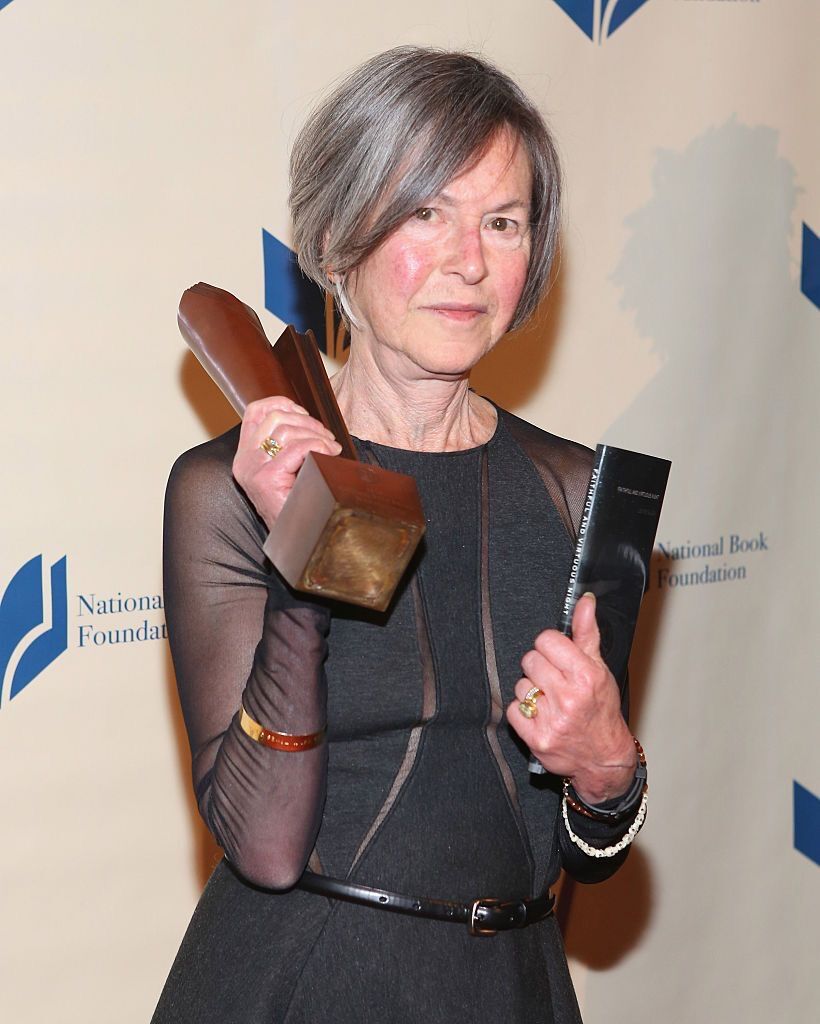
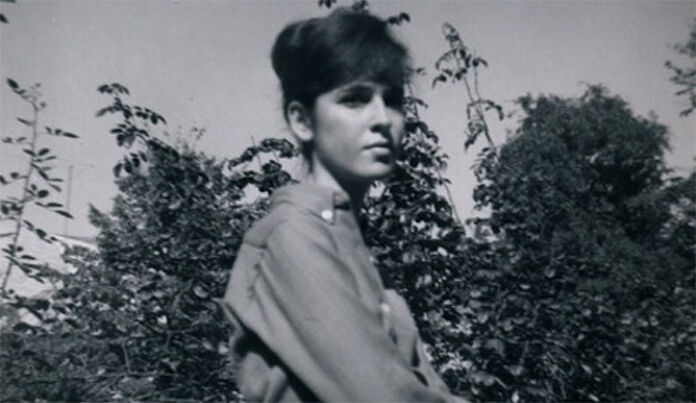
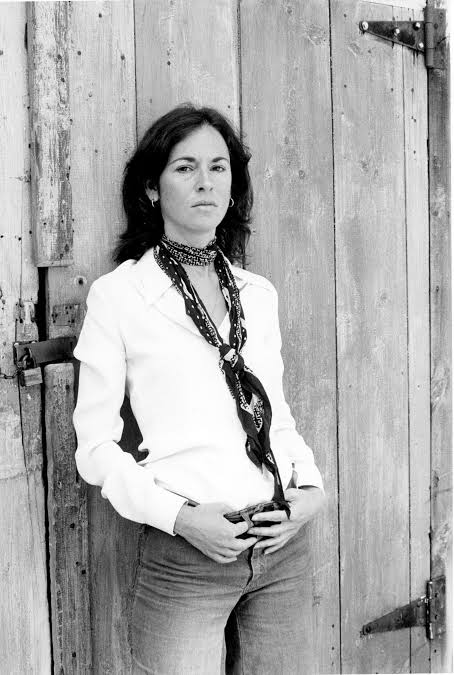
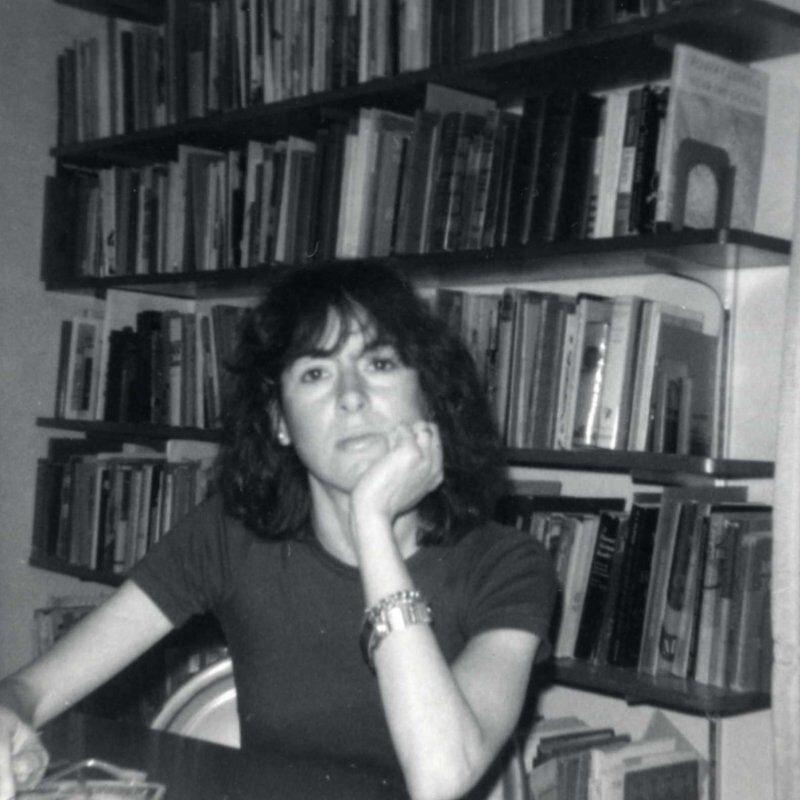
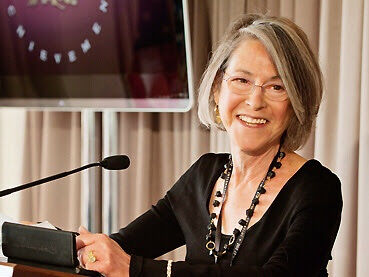
Louise Elisabeth Glück (Nueva York, 22 de abril de 1943-Cambridge, Massachusetts, Estados Unidos,13 de octubre de 2023). Poeta y ensayista. Premio Pulitzer 1993. Premio Nobel de Literatura 2020. Es la primera poeta laureada por la Biblioteca del Congreso de Estados Unidos.
Se licenció en 1961 por la George W. Hewlett High School en la ciudad de Hewlett, Nueva York. Posteriormente asistió al Sarah Lawrence College en Yonkers (Estado de Nueva York), y a la Universidad de Columbia. El 8 de octubre de 2020 se anunció que había ganado el premio Nóbel de Literatura.
Nieta de judíos húngaros emigrados a Estados Unidos. Desde niña tuvo claro que quería escribir. Tuvo una conflictiva relación con su madre, a la que se enfrentó de una manera traumática, manifestada en una anorexia nerviosa de la que escribiría en los versos de Dedicación al hambre. Llegó a pesar 34 kilos. Entró en terapia en la adolescencia y fue el psicoanálisis, lo que le acabó salvando la vida. Descubrió la poesía, en especial, con, Dickinson, William Blake, T. S. Eliot y W. B. Yeats, que dejarán posteriormente huella en su obra. “Sentí que ellos no eran sólo mis maestros, sino las personas con las que podría hablar”, escribió. “Mis primeros escritos fueron un intento de comunicarme con ellos”. Pudo encauzar su vida, normalizarla hasta cierto punto.
Glück se casó, tuvo hijos, regularizó su educación y se empleó como profesora universitaria de literatura y nunca dejó de escribir.
En los años ochenta se quema su casa y pierde todo.
Glück comenzó a escribir en la década de 1960, su debut en la literatura fue con Primogénita (1968) pero consolidó su reputación en los ochenta y principios de la década de 1990 con una serie de libros, entre ellos El triunfo de Aquiles (1985), que le valió el National Book Critics Circle Award, y a partir del cual Glück empezó a tener un grupo cada vez más fiel y numeroso de lectores, tanto en Estados Unidos como fuera de su país de origen. Ararat (1990), que se basó en el dolor que experimentó por la muerte de su padre; y El iris salvaje (1992).
Ha escrito numerosos libros de poesía por los que ha recibido prestigiosos premios .
En el año 1993 se alzó con el Pulitzer de poesía por su poemario The Wild Iris, que también le valió el premio William Carlos Williams de la Poetry Society of America. En 1994 ,su colección de ensayos Proofs and Theories: Essays on Poetry se alzaría con el PEN Martha Albrand. Ganó el premio Nacional de Poesía Rebekah Johnson Bobbit por su obra Ararat, el National Book Critics Circle Award por su obra The triumph of Achiles , el Academy of American Poet’s gracias a su obra Firstborn , el Premio Bollingen, por Vita Nova ,el Premio L. L. Winship/PEN New England, por Averno (2006) y el Premio Tomas Tranströmer en 2020.
En el 2015 se le otorgó la Medalla Nacional de Humanidades de EE UU.
Es una mujer alérgica a los focos, y no le gustan las entrevistas. Hizo una rara excepción la mañana de octubre de 2020 en la que recibió una llamada desde Suecia para comunicarle que era la primera escritora estadounidense en recibir el Nobel de Literatura desde 1993 (Toni Morrison). Atendió al entrevistador un par de minutos ; no quería aplazar más el placer matutino de tomarse un café caliente. Le dijo: “Lo primero que pensé fue: ‘Me voy a quedar sin amigos, porque muchos son escritores”. “No sé lo que significa esto. Sé que es un gran honor”. También confió en que al fin podría pagar la casa que quería comprarse en Vermont. Se mostró preocupada por si la fama iba a apartarle de sus rutinas. Después, el entrevistador le pidió que desgranara la relación en su obra entre experiencia vital y escritura. Glück se excusó: “Ese un tema demasiado grande y aquí es muy temprano por la mañana, apenas son las siete”.
Recogió el Nobel en diciembre, en su casa de Cambridge (Massachussets), tras una mascarilla oscura. El suyo será recordado como el Nobel del confinamiento.
Glück es miembro de la Academia Americana de las Artes y las Letras.
Glück ha publicado 12 poemarios y dos ensayos. En España siete de los libros de Glück han sido traducidos por la Ed. Pre-Textos.
Obra poética :
Firstborn (New American Library, 1968), The House on Marshland (Ecco Press, 1975),The Garden (Antaeus, 1976), Descending Figure (Ecco Press, 1980), The Triumph of Achilles (Ecco Press, 1985), Ararat (Ecco Press, 1990), The Wild Iris (Ecco Press, 1992), The First Four Books of Poems (Ecco Press, 1995), Meadowlands (Ecco Press, 1997), Vita Nova (Ecco Press, 1999), The Seven Ages (Ecco Press, 2001), Averno (Farrar, Straus and Giroux, 2006). Su último libro, de 2021, lleva por título Winter Recipes from the Collective (Recetas invernales de la comunidad ), traducido al español por Andrés Catalán.
«Louise Glück es una poeta en el corazón de un mundo caído»
» La necesidad de escribir es el deseo de quedar enredado en una idea. Para un escritor, pensar y escribir, como pensar y sentir, son sinónimos «
Louise Glück
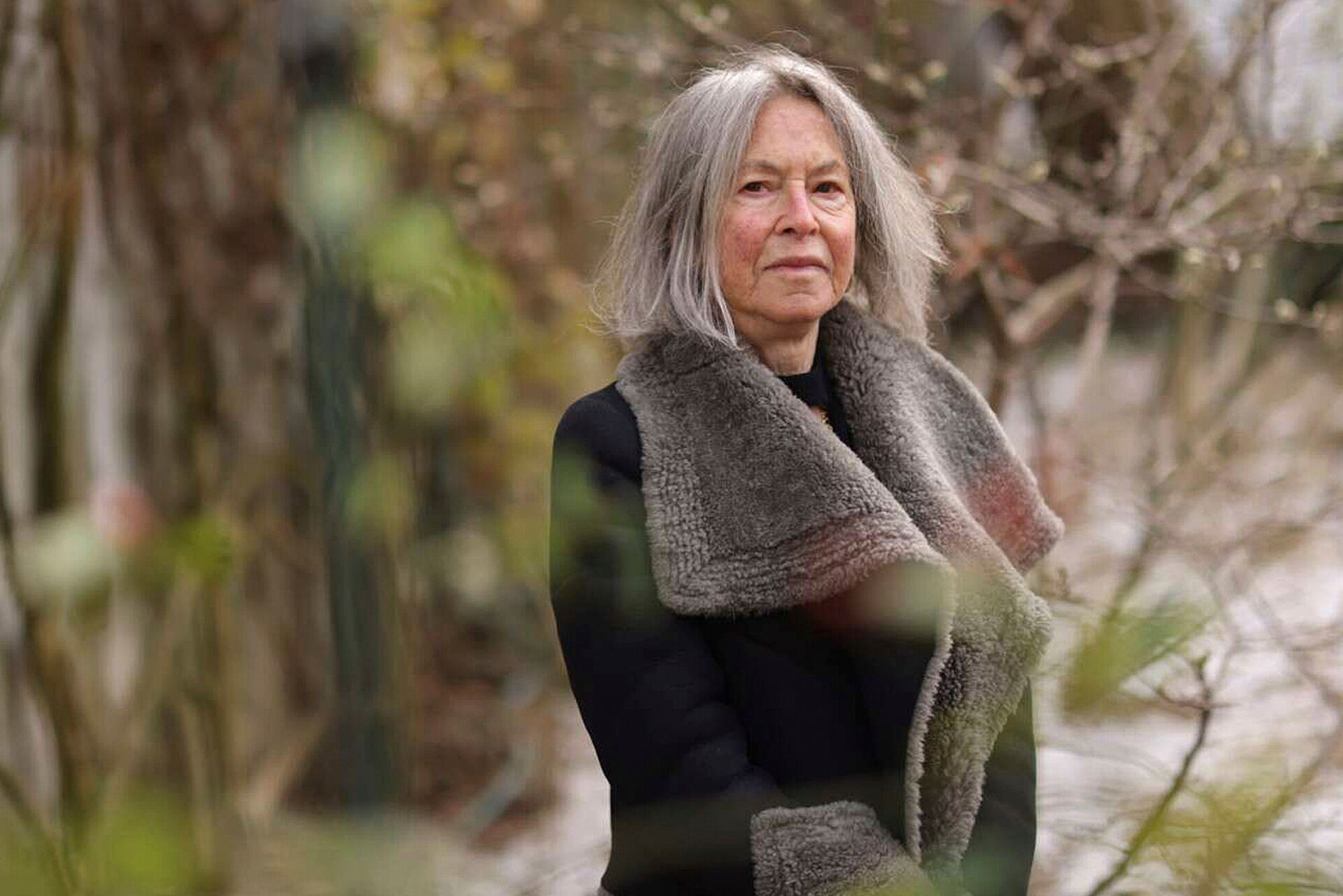
Nota : Esta entrada ha sido actualizada el 13 de octubre de 2023 debido al fallecimiento de Louise Elisabeth Glück.
¡Vuela alto Poeta!
Enlaces de interés :
https://www.elmundo.es/cultura/literatura/2020/11/26/5fbe69e321efa0f4208b45ad.html
https://poetryalquimia.org/2024/09/08/louise-gluck-visual
https://www.levante-emv.com/cultura/2020/11/15/nobel-louise-glueck-deja-pre-23172967.html

Louise Glück recogiendo el Nobel de literatura en su casa, diciembre de 2020, durante el confinamiento
“Miramos el mundo una vez, en la infancia. El resto es memoria”
Louise Glück



Deja una respuesta